

One of the leading motifs for the GDPR to be developed is to provide more rights to the data subjects. Understanding the data subject rights that, as defined by the regulation, provides access to the...

What UK organisations must know about AI under UK GDPR Artificial Intelligence (AI) is transforming how organisations operate. From automating workflows to improving customer service and analysing...

In every organisation, staff play a central role in protecting personal data. Policies, systems, and security tools are essential, but they cannot replace informed, confident employees who...
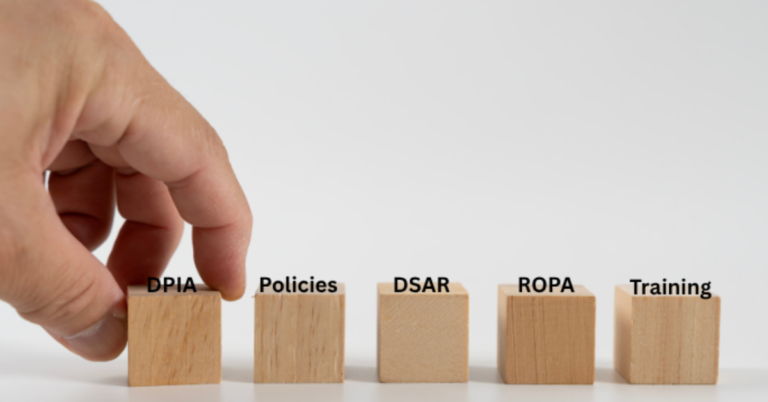
The Data Use and Access Act (DUAA) 2025 marks a major shift in how organisations across the UK must manage, access, share, and protect data. Designed to modernise digital governance and strengthen...

Data sharing is a normal part of business operations — but under UK GDPR, it must be done lawfully, transparently, securely, and with strict governance. Whether you are sharing data internally, with...
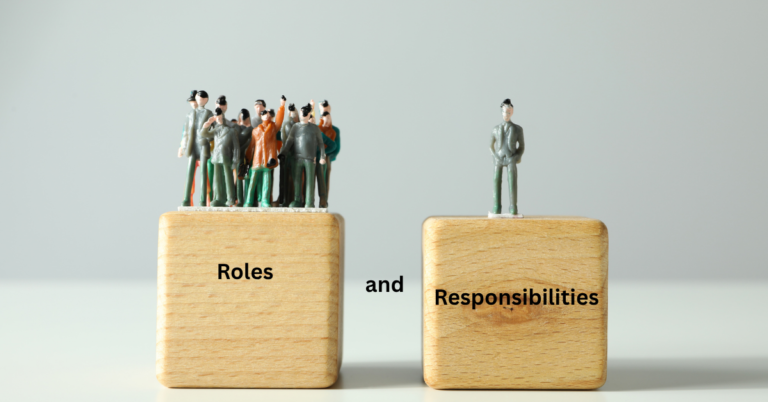
In every organisation, data protection is only as strong as the people who carry it out. Policies, systems, and procedures matter — but without clear roles and responsibilities, even the best...

What Every Organisation Needs to Know Cookies are a fundamental part of how modern websites function. They help businesses understand user behaviour, improve website performance, personalise content...

What UK Organisations Must Know Under UK GDPR Children’s data is one of the most sensitive categories of personal information an organisation can process. Under UK GDPR, children are recognised as...

About Special Category Data Under UK GDPR, not all personal data is treated equally. Some types of information are considered far more sensitive and therefore require stronger protection, stricter...
One of the leading motifs for the GDPR to be developed is to provide more rights to the data subjects. Understanding the data subject rights that, as defined by the regulation, provides access to the...
What UK organisations must know about AI under UK GDPR Artificial Intelligence (AI) is transforming how organisations operate. From automating workflows to improving customer service and analysing...
In every organisation, staff play a central role in protecting personal data. Policies, systems, and security tools are essential, but they cannot replace informed, confident employees who...
The Data Use and Access Act (DUAA) 2025 marks a major shift in how organisations across the UK must manage, access, share, and protect data. Designed to modernise digital governance and strengthen...
Data sharing is a normal part of business operations — but under UK GDPR, it must be done lawfully, transparently, securely, and with strict governance. Whether you are sharing data internally, with...
In every organisation, data protection is only as strong as the people who carry it out. Policies, systems, and procedures matter — but without clear roles and responsibilities, even the best...
What Every Organisation Needs to Know Cookies are a fundamental part of how modern websites function. They help businesses understand user behaviour, improve website performance, personalise content...
What UK Organisations Must Know Under UK GDPR Children’s data is one of the most sensitive categories of personal information an organisation can process. Under UK GDPR, children are recognised as...
About Special Category Data Under UK GDPR, not all personal data is treated equally. Some types of information are considered far more sensitive and therefore require stronger protection, stricter...